Oct 09 2026 | २०८३, आश्विन २३ गते

२०८३, आश्विन २३ गते
Oct 09 2026 | २०८३, आश्विन २३ गते


The Bhairav Kumari Jatra, which holds a distinctive place in the cultural life of the ancient city of Dolakha, has once again been celebrated with traditional rituals and enthusiasm. In Dolakha, the festival was observed for five days, from Bhadra 14 to Bhadra 18, beginning the day after Gai Jatra in Bhirneshwar Municipality–2, the historic city of Dolakha.
Among the various festivals, jatras and cultural activities celebrated throughout the year in Dolakha, the Bhairav Kumari Jatra is considered particularly significant because of its originality, religious beliefs and traditional practices. Times have changed, generations have changed and lifestyles have evolved. Yet, carrying centuries-old cultural memories, the Bhairav Kumari Jatra continues to be celebrated.
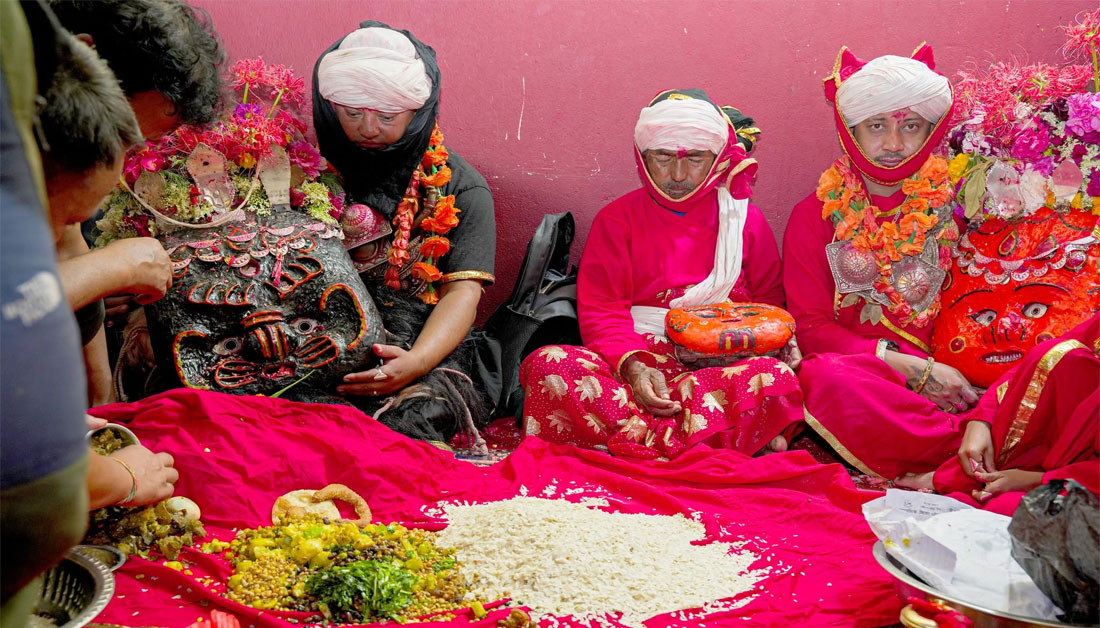
In this sense, the Bhairav Kumari Jatra is not simply a religious festival. It is a cultural bridge that connects Dolakha’s history, religious faith, community relationships and indigenous identity.
Gai Jatra holds its own cultural significance in Dolakha. The tradition of beginning the Bhairav Kumari Jatra the day after Gai Jatra has continued for generations. From Bhadra 14 to Bhadra 18, the five-day celebration brings the historic town of Dolakha to life with a vibrant display of cultural activities.
During the festival, traditional rituals, worship, musical performances and dances fill the old marketplace with cultural vibrancy. For local residents, the festival is not merely an opportunity to express their religious and cultural devotion; it is also a responsibility to preserve and continue a tradition passed down through generations.
Although different generations participate in the festival, its fundamental purpose remains the same—to preserve tradition and pass it on to future generations.

Dolakha is one of Nepal’s ancient settlements. Its old town, indigenous culture, language, jatras, festivals and religious traditions represent the region’s long social and cultural history.
The most important feature of such traditions is that they are not merely histories recorded in books. They are living histories that continue to exist through people’s daily lives, religious beliefs and community practices.
The Bhairav Kumari Jatra is one such living tradition.
For today’s generation, the festival may appear simply as a cultural event. But behind it lie the faith, efforts, social structures and cultural practices of previous generations. Therefore, ensuring its continuity is itself an act of preserving history.
Religious faith lies at the heart of the Bhairav Kumari Jatra. For the local community, the traditions associated with Bhairav Kumari are not merely a form of entertainment but an integral part of their religious and cultural beliefs.
The various rituals and activities conducted during the festival help preserve and continue local religious traditions. The collective participation of community members is one of its most important aspects.
The festival also conveys an important message: preserving religion and culture does not mean protecting temples and places of worship alone. It is equally important to preserve the living traditions, rituals, dances, musical instruments and community practices associated with them.
In modern society, people are becoming increasingly focused on their individual work, businesses and personal lives. Even people living in the same neighborhood or community may no longer maintain the same level of regular social interaction as in the past.
In such circumstances, festivals and jatras play an important role in bringing communities together again.
During the Bhairav Kumari Jatra, local residents participate collectively. It also creates an opportunity for relatives living far away and members of the younger generation to return to their ancestral town and reconnect with their roots.
In this way, the festival rises above being merely a religious event and becomes an occasion for renewing social relationships.
After the festival ends, people return to their daily lives. However, the connections, interactions and sense of community created during the celebration continue to remain within society.
No culture can survive for generations if it is preserved by only one generation. For a tradition to continue, younger people must understand its importance and connect it with their own lives.
The future of the Bhairav Kumari Jatra is therefore closely linked to an important question: Will the younger generation embrace it as its own culture and continue the tradition?
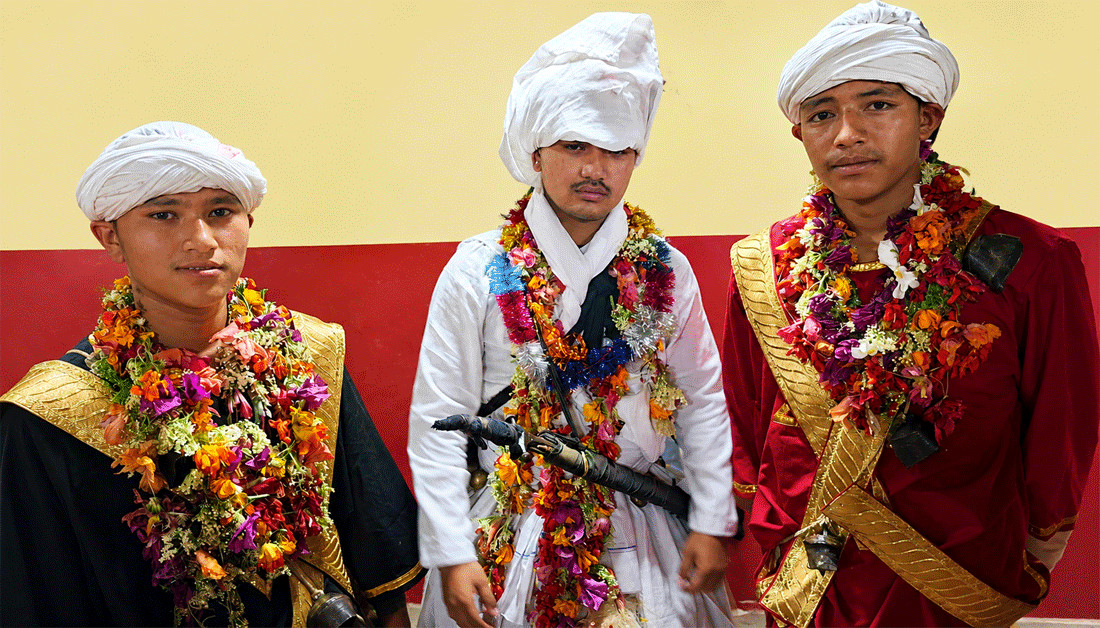
Modern education, technology, employment and migration have led increasing numbers of young people to leave villages and historic settlements. In such circumstances, there is a risk that youth participation in the management and continuation of traditional festivals may gradually decline.
Therefore, young people should not merely be spectators. They should be actively involved in festival management, cultural research, documentation and promotion.
The fact that the Bhairav Kumari Jatra continues to be celebrated is itself a positive achievement. However, preserving its authentic character for future generations is an even greater challenge.
The influence of modernity is gradually transforming many traditional cultures. Some festivals have been reduced to formal rituals, while other traditions are disappearing because younger generations are becoming less familiar with them.
In the case of the Bhairav Kumari Jatra, it is therefore essential to systematically document its history, rituals, traditions and distinctive cultural features.
Taking photographs of the festival and sharing them on social media is one way of promoting it. But photographs alone cannot preserve history. Its origins, traditions, rituals, cultural significance and the role of the local community must also be properly documented.
Many important details about the Bhairav Kumari Jatra may still be preserved through local senior citizens and individuals who have traditional knowledge.
They can explain how the festival was conducted in the past, how different rituals were performed, what role the community played and what changes have taken place over time.
If such oral histories are not collected in time, future generations may lose valuable knowledge.
Therefore, local governments, cultural organizations, researchers and the media should take initiatives to document and preserve the experiences and knowledge of older generations.
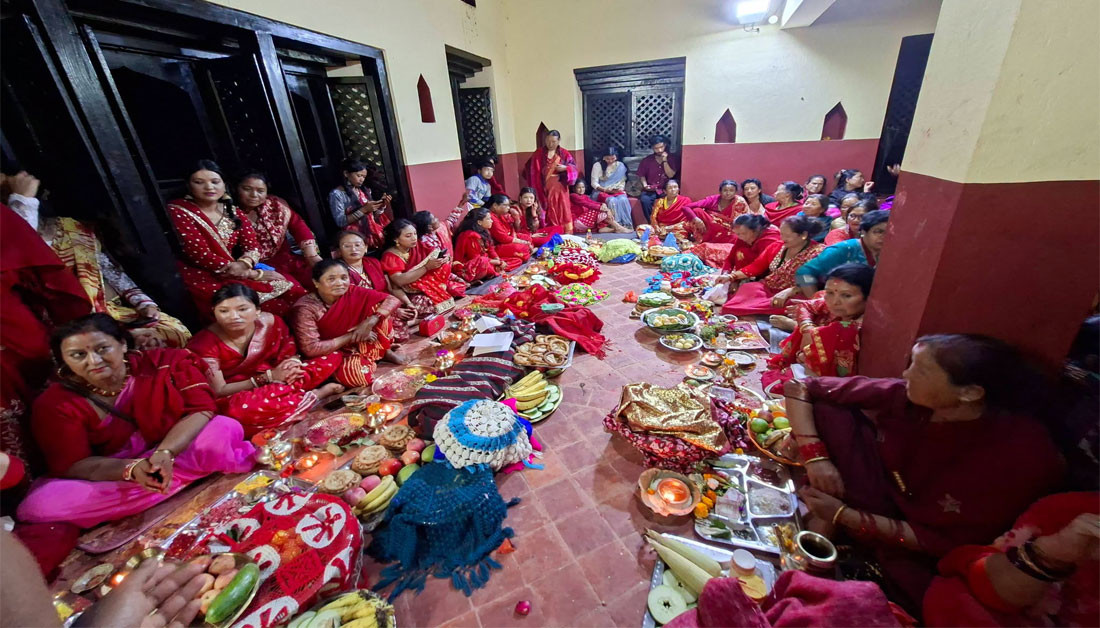
Dolakha has enormous potential not only for religious tourism but also for cultural tourism.
Bhairav Kumari Jatra can play an important role in developing a cultural tourism package that brings together the Bhimeshwar Temple, the ancient Dolakha marketplace, local language, traditions, jatras and festivals.
Festivals celebrated in other parts of Nepal have increasingly become attractions for domestic and international visitors. Similarly, Dolakha’s indigenous festivals can also be introduced at the national and international levels through proper promotion and management.
However, there is one important consideration: culture should not be altered in the name of tourism.
Tourism promotion should be based on the religious beliefs and traditions of the local community. The authenticity of the festival must not be compromised merely to attract visitors.
Local governments have an important role to play in preserving such cultural heritage.
In addition to providing necessary support for organizing the festival, local governments can introduce programs to educate students about its historical and cultural significance. Information about the jatras and cultural traditions of ancient Dolakha could be incorporated into local school curricula.
Other initiatives could include establishing cultural museums or archival centers and publishing materials related to the festival.
Such efforts would take cultural preservation beyond simply organizing the festival and move it toward institutional protection.
The world is changing rapidly. Globalization has brought people closer together, but it has also created challenges for local languages, cultures and traditions.
In such circumstances, the indigenous identity of a community is preserved through its culture and traditions.
The Bhairav Kumari Jatra is a powerful example of this.
The disappearance of the festival would not simply mean the loss of an event. It would also weaken the history, collective memory, religious beliefs and cultural knowledge that have been passed down through generations.
Therefore, preserving the festival should not be limited to the days on which it is celebrated.
To ensure that the Bhairav Kumari Jatra remains vibrant for generations, several areas require special attention.
First, its detailed history and traditions should be systematically documented. Second, the active participation of young people should be increased. Third, traditional materials, costumes, musical instruments, dances and rituals associated with the festival should be preserved. Fourth, local governments should provide necessary resources and institutional support.
The media also has an important role. Rather than limiting coverage to photographs and brief news reports, the media should continuously highlight the festival’s historical and cultural significance and create broader public discussion around cultural preservation.
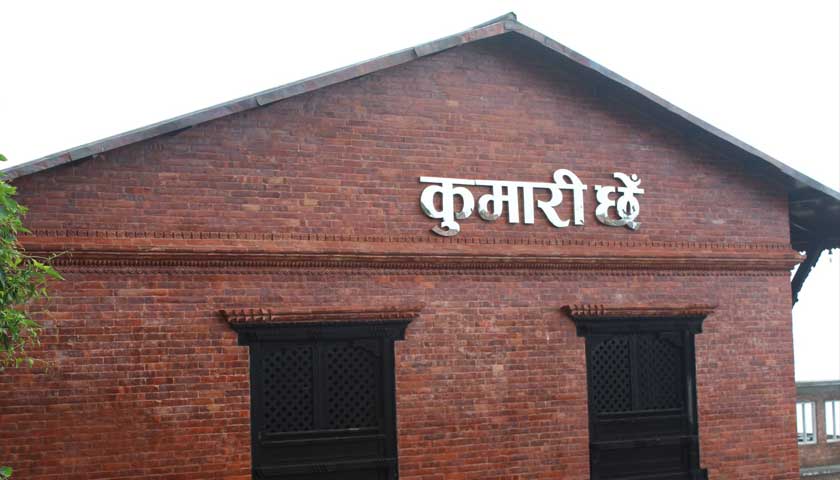
The five-day Bhairav Kumari Jatra, celebrated from Bhadra 14 to Bhadra 18, has come to an end. But its significance does not end with the conclusion of the festival.
Instead, the annual celebration leaves behind an important question: What kind of cultural heritage will we hand over to future generations?
The Bhairav Kumari Jatra of ancient Dolakha is not merely a continuation of religious faith and tradition. It is a living symbol of Dolakha’s history, culture, social unity and indigenous identity.
If its authenticity can be preserved while adapting its management and promotion to changing times, the Bhairav Kumari Jatra can continue to be a source of pride for future generations. More importantly, it can help establish ancient Dolakha not merely as a historic city, but as a city where living culture continues to thrive.
The continuity of the Bhairav Kumari Jatra is therefore not merely the continuity of a festival—it is the continuity of Dolakha’s cultural soul.











१९९७–०७७–०७८
© 2026 All right reserved to bampijhyala.com | Site By : Sobij